Creating a relaxing home garden space is a wonderful way to bring calm and natural beauty into your daily life. Whether you have a small balcony or a large backyard, designing a garden area that invites peace and tranquility can boost your mood and provide a perfect spot to unwind. In this post, we’ll explore practical tips to help you create a soothing garden retreat that feels like your own private sanctuary.
Choose a Quiet Location
Start by selecting a part of your garden that is sheltered from noise and distractions. This could be a corner surrounded by hedges or even a spot near a fence with some tall plants for privacy. A calm area will help you feel more relaxed as you enjoy your garden.
If you have limited space, using screens or trellises with climbing plants can create a sense of enclosure, making the space feel cosy and removed from the outside world.
Incorporate Comfortable Seating
Comfort is key in a relaxing garden space. Choose seating options that invite you to sit and stay awhile. Consider:
– A sturdy bench with cushions
– A comfortable garden chair or lounger
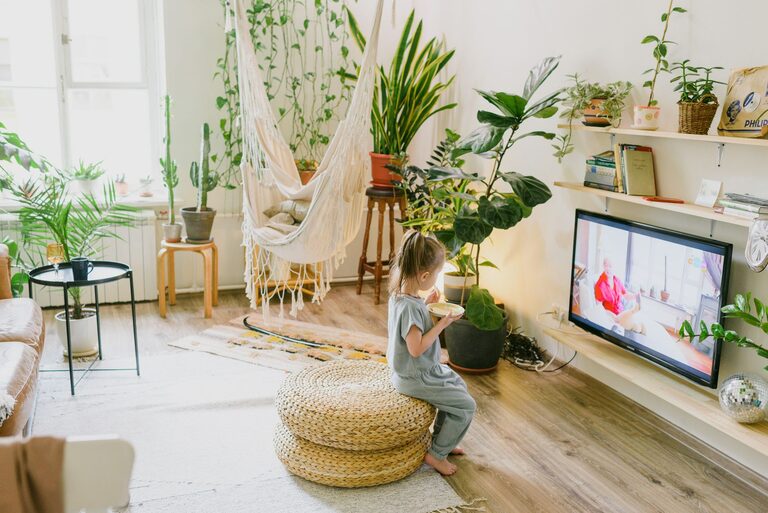
– Hammocks or hanging chairs for a calming sway
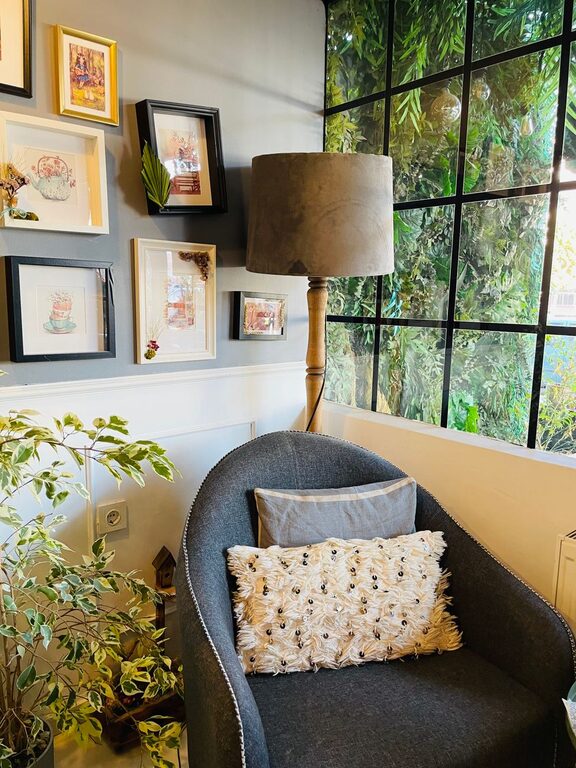
Adding cushions, throws, or even an outdoor rug can enhance the comfort level and make the space more inviting.
Use Soothing Colours and Materials
Colours play a big role in creating a peaceful atmosphere. Soft, natural tones such as greens, blues, and earthy shades tend to be calming. When planning your garden, think about:
– Plant colours that complement each other without overwhelming the senses
– Garden furniture in neutral or pastel shades
– Natural materials such as wood, stone, or wicker, which add warmth and texture
Avoid overly bright or clashing colours that can create visual noise.
Focus on Plants That Promote Relaxation
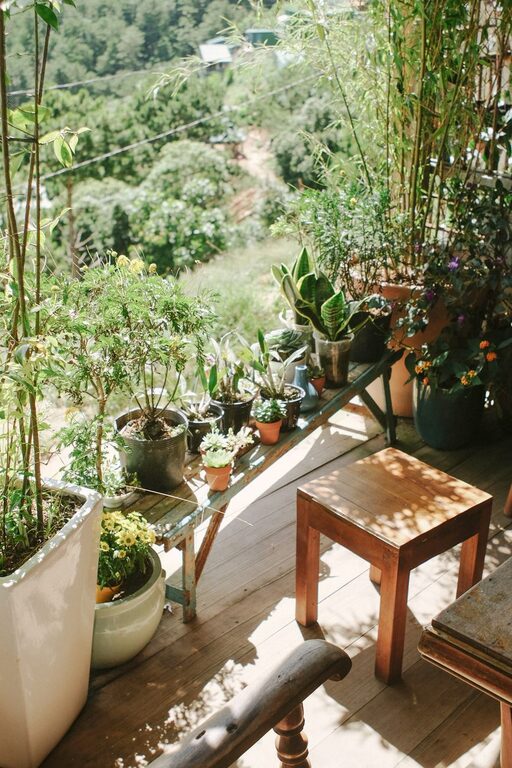
Certain plants are known for their calming qualities, whether through appearance, scent, or the sound they produce. Consider including:
– Lavender: Its scent is well known for relaxation and stress relief.
– Bamboo: Provides a gentle rustling sound in the breeze.
– Ferns and grasses: Add lush greenery and soft textures.
– Herbs like mint, chamomile or rosemary: Useful for cooking and aromatherapy.
– Flowering plants with soft petals and gentle colours, such as white roses or pastel daisies.
Arrange plants at different heights and layers for visual interest while maintaining a natural feel.
Add Water Features for Tranquillity
Water elements can be very soothing, adding gentle sounds that drown out background noise and create a peaceful mood. Options include:
– Small pond with aquatic plants
– Fountain or water bowl with a gentle trickle
– Birdbath that attracts wildlife
If installing a large feature is not possible, even a small container water garden can have a calming effect.
Create Ambient Lighting
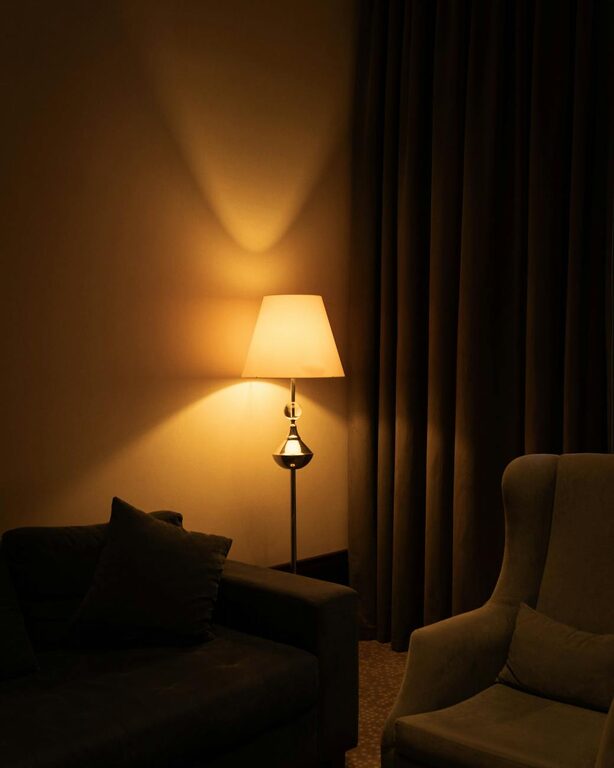
Soft lighting extends the usability of your garden into the evening and enhances relaxation. Consider:
– Solar-powered lanterns or fairy lights
– Low-level LED spotlights highlighting plants or seating
– Candles, safely placed in holders or jars
Choose warm white lights rather than harsh, bright ones to maintain a soothing atmosphere.
Incorporate Personal Touches
Make your garden space unique to you by adding personal elements that make you smile or feel calm, such as:
– Wind chimes for gentle sound and movement
– Garden sculptures or ornaments that reflect your taste
– A small bookshelf or plant display
– A hammock chair or swing
Personalising the space helps deepen your connection to the garden and enhances your enjoyment.
Maintain a Clutter-Free Area
A cluttered garden can contribute to stress rather than relieve it. Keep the space organised by:
– Using storage benches or boxes for tools and accessories
– Regularly tidying plant pots and garden features
– Minimising excess furniture or decorations
A tidy, open space will feel more peaceful and welcoming.
Engage Your Senses
A truly relaxing garden appeals to multiple senses. This can include:
– Sense of smell: fragrant plants, herbs, or scented candles
– Sense of sight: harmonious plant arrangements and calming colours
– Sense of touch: soft cushions, smooth stones, or textured plant leaves
– Sense of hearing: water features, wind chimes, or bird songs
Engaging your senses actively supports relaxation.
Practical Considerations
Finally, think about practical aspects that make spending time in your garden easy and enjoyable:
– Shade: Incorporate umbrellas or pergolas, especially in sunny spots.
– Accessibility: Paths or stepping stones for ease of movement.
– Weather protection: Waterproof cushions and covers for furniture.
– Lighting and power sources for extended use.
Planning for comfort and practicality ensures your garden remains a favoured retreat through all seasons.
—
By carefully considering these tips, you can create a home garden that serves as a peaceful oasis, perfect for quiet moments or casual gatherings. With thoughtful plant choices, comfortable seating, and elements that soothe your senses, your garden will become a cherished space where relaxation comes naturally. Take your time designing it, and remember that even small changes can make a big difference. Happy gardening!
About the Author