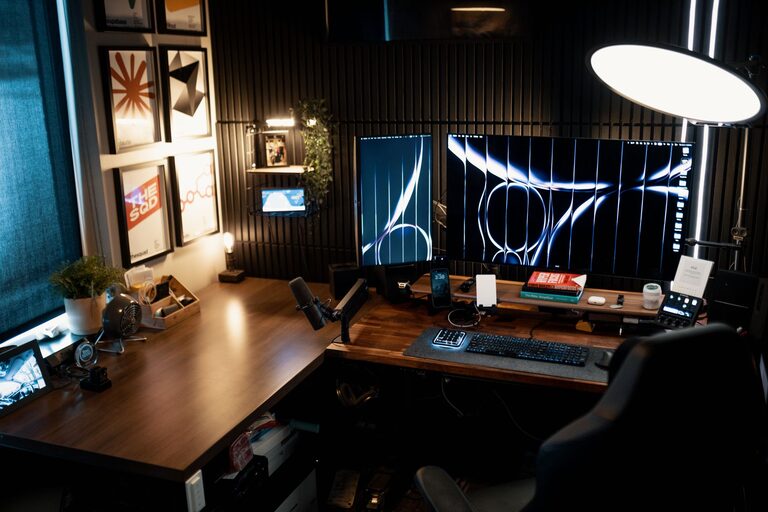
Creating a comfortable and efficient home office is essential for anyone working remotely or spending extended hours at home on tasks. A well-designed workspace can boost your productivity, reduce stress, and help maintain a healthy work-life balance. In this post, we’ll explore practical tips to help you create a cosy and productive home office space tailored to your needs.
1. Choose the Right Location
The first step is selecting the best spot in your home for your office.
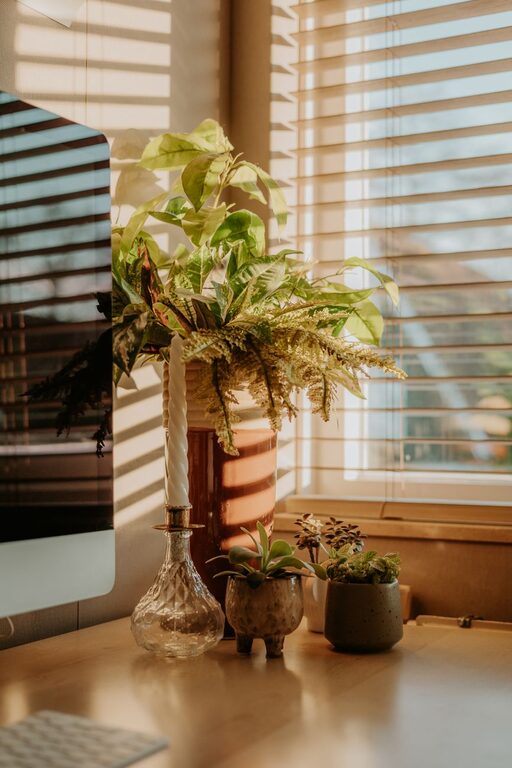
– Natural Light: A space with plenty of natural light can improve mood and energy levels. Position your desk near a window if possible.
– Quiet Area: Avoid noisy parts of your home where distractions are frequent.
– Adequate Space: Ensure the area can comfortably accommodate your desk, chair, and any other essentials.
If space is limited, consider multipurpose areas such as a corner of your living room or bedroom, but try to keep work and relaxation spaces separate.
2. Invest in Ergonomic Furniture
Comfort is key when spending long hours working. Ergonomic furniture helps prevent discomfort and injury.
– Chair: Choose a chair with good lumbar support and adjustable height.
– Desk: The desk should allow you to work without hunching over or stretching.
– Accessories: Items like footrests, monitor stands, and keyboard trays can help improve posture.
Ergonomic choices promote better focus and reduce fatigue.
3. Create an Organised Layout
An organised workspace limits distractions and helps you stay on task.
– Declutter: Remove unnecessary items from your desk and keep only essential tools within reach.
– Storage Solutions: Use shelves, drawers, and organisers to store documents and supplies neatly.
– Cable Management: Tidy wires and cables with clips or covers to prevent a messy look.
A neat desk signals a clear mind and can enhance productivity.
4. Personalise Your Space
Adding personal touches can make your home office feel more inviting and motivate you to spend time there.
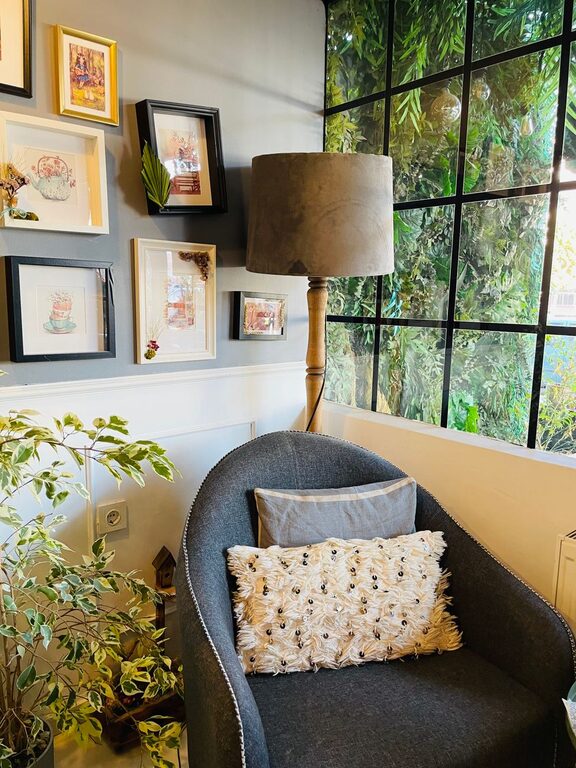
– Decor: Hang artwork or photos that inspire you.
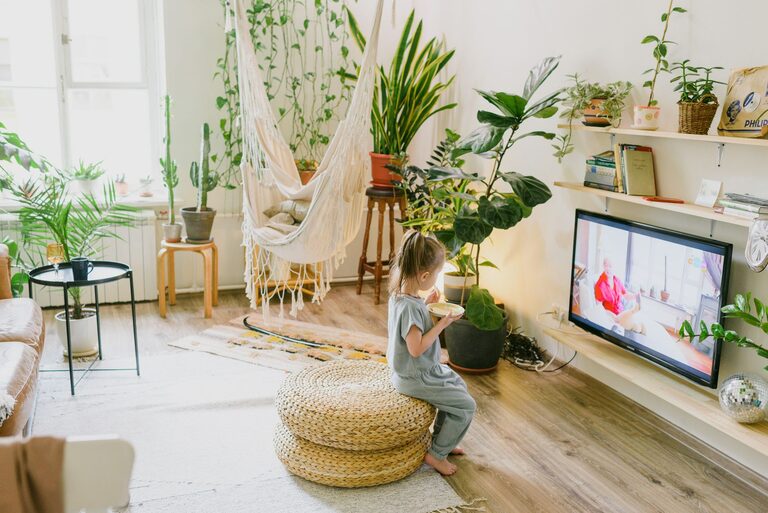
– Plants: Greenery adds colour and improves air quality.
– Soft Furnishings: Use cushions, rugs, or curtains to create warmth.
Personalisation creates a welcoming environment without overwhelming the workspace.
5. Optimise Lighting
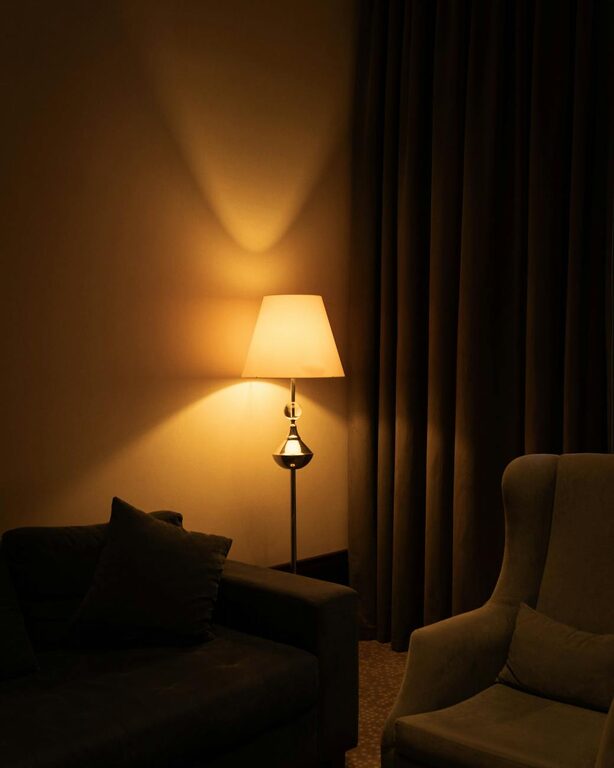
Good lighting is essential both for creating a cosy atmosphere and reducing eye strain.
– Layered Lighting: Use a combination of natural light, overhead lights, and task lamps.
– Adjustable Desk Lamp: Having a lamp you can direct where needed can improve comfort during detailed work.
– Avoid Glare: Position screens and lamps to minimise glare and reflections.
Proper lighting keeps you alert and helps protect your vision.
6. Manage Noise Levels
Minimising noise distractions supports sustained concentration.
– Soundproofing: Use rugs, curtains, or acoustic panels to soften sound.
– Noise-Cancelling Headphones: These can be useful if you cannot control external noises.
– Background Music: Some people find quiet instrumental music helps focus.
Experiment to find what works best for you.
7. Incorporate Break Areas
Including a comfortable spot to take short breaks is good for mental and physical health.
– Seating: A cosy chair or small sofa can be a relaxing retreat.
– Refreshments: Keep a water bottle or a small coffee station nearby.
– Movement: Consider space for light stretching or standing breaks.
Regular breaks help recharge your energy and improve overall productivity.
8. Use Technology Wisely
Technology is vital for a functional home office, but too much can be distracting.
– Essential Devices: Ensure you have a reliable computer, internet connection, and peripherals.
– Organisation Apps: Use digital tools to schedule tasks and set reminders.
– Limit Distractions: Turn off non-work notifications during focused periods.
Balance tech use to increase efficiency without causing overwhelm.
Final Thoughts
Designing a home office that is both cosy and productive involves thoughtful planning and attention to detail. By choosing the right location, investing in comfortable furniture, maintaining an organised environment, and adding personal touches, you can create a workspace that supports your work and wellbeing. Remember to regularly review and update your setup as your needs evolve. With the right balance, your home office can become a place you look forward to using every day.
About the Author