
Creating a relaxing home workspace can make a significant difference to your productivity and overall wellbeing. When your work environment feels calm and inviting, it’s easier to concentrate and enjoy your tasks. Whether you’re working remotely, freelancing, or simply need a spot for personal projects, setting up a space that reduces stress and motivates you is essential.
In this blog post, we’ll explore practical tips to help you design a relaxing home workspace that supports your productivity without compromising comfort.
Why a Relaxing Workspace Matters
Your workspace impacts not only how much you get done but also your mood and energy levels. A cluttered, noisy, or uncomfortable area can drain your motivation and increase stress. Conversely, a well-organised, peaceful setting encourages focus, creativity, and a sense of control over your workday.
Here are some key benefits of a relaxing workspace:
– Reduced stress and anxiety
– Improved concentration and efficiency
– Enhanced creativity and problem-solving
– Better posture and physical comfort
– Clear separation between work and personal life
Choose the Right Location
The first step is to pick a spot at home that suits your work style and needs. Ideally, this will be a quiet area away from distractions like the TV or busy family spaces.
Consider natural light
Try to set up near a window with ample natural light. Sunlight not only brightens your space but also boosts mood and energy. If this isn’t possible, invest in a good-quality lamp with adjustable brightness.
Minimise distractions
Find a space with minimal noise and interruptions. If outside noises are an issue, using noise-cancelling headphones or white noise machines can help.
Personal space matters
Ensure your workspace feels like your own, even if it’s a small corner. Adding personal touches can increase comfort and motivation.
Invest in Comfortable and Functional Furniture
Your choice of furniture is crucial for comfort and productivity. Spending a little more on ergonomic pieces pays off in reduced fatigue and better posture during long work sessions.
Ergonomic chair
Select a chair with good lumbar support that allows you to sit upright with your feet flat on the floor.
Desk height and size
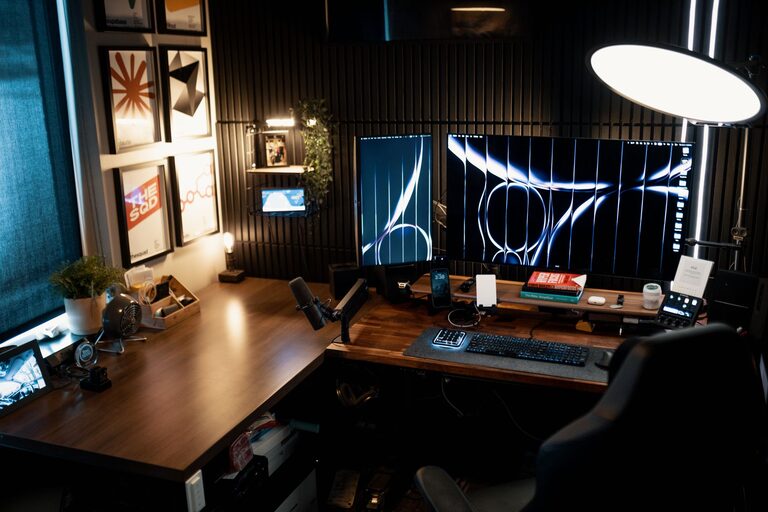
Choose a desk at comfortable height with enough surface area for your computer, notebooks, and other essentials.
Adjustable options
If possible, consider a sit-stand desk to alternate positions throughout the day, which benefits your circulation and energy levels.
Keep Your Workspace Tidy and Organised
Clutter can be a major source of stress and distraction. A tidy desk helps you focus and gives a sense of control.
Storage solutions
Use shelves, drawers, or organisers to keep documents, stationery, and gadgets neatly stored away.
Daily tidy-up
Make it a habit to clear your desk at the end of each day to start fresh the next morning.
Minimalism helps
Limit the items on your desk to those you use regularly. Keep decorations simple and calming.
Incorporate Relaxing Elements
Adding certain elements to your workspace can make it feel restful and inspiring, which positively affects your productivity.
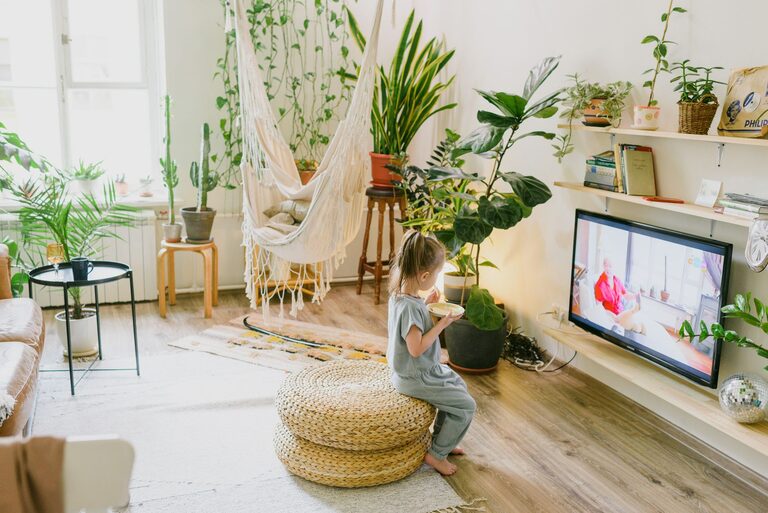
Plants
Indoor plants improve air quality and add a natural, calming touch. Choose low-maintenance varieties like succulents or spider plants.
Colours
Soft, neutral colours such as pale blues, greens, or greys promote calmness. Add pops of colour with accessories, but avoid overly bright shades that may overstimulate.
Lighting
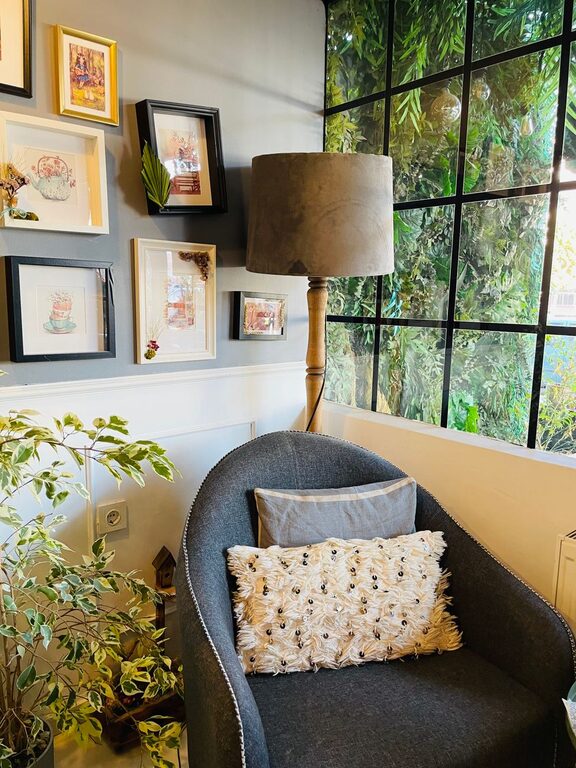
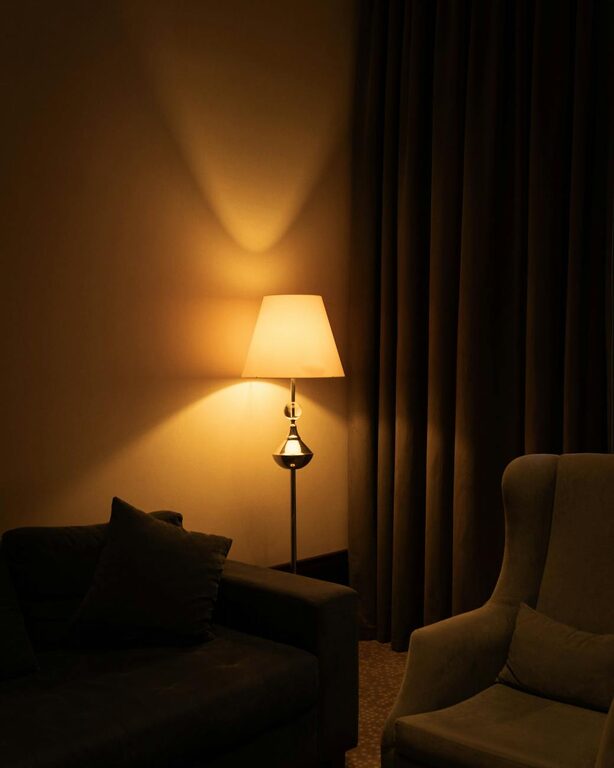
In addition to natural light, use warm, cosy lighting rather than harsh fluorescents. Adjustable desk lamps are ideal for controlling brightness.
Aromatherapy
Subtle scents from essential oil diffusers or candles can help reduce stress. Lavender, chamomile, or eucalyptus are popular choices.
Set Clear Boundaries and Routines
Creating a relaxing workspace goes beyond the physical environment. Your habits around work significantly affect how productive and relaxed you feel.
Dedicated work hours
Establish regular start and finish times to create structure and separate work from personal time.
Breaks matter
Schedule short breaks to stretch, walk, or breathe deeply. This refreshes your mind and prevents burnout.
Digital boundaries
Turn off non-essential notifications and use apps that help focus by limiting distracting websites.
Personalise Your Space
Make your workspace uniquely yours to boost your mood and motivation.
– Display favourite photos or artwork that inspire you
– Use motivational quotes or boards for goal-setting
– Include hobbies-related items like a sketchpad or musical instrument if they energise you
Final Thoughts
Designing a relaxing home workspace is a valuable investment in your comfort, focus, and productivity. By carefully choosing your location, furniture, organisation, and calming elements, you create an environment that supports your best work.
Remember, even small changes can bring big benefits. Start by decluttering your desk or adding a plant, then build your ideal workspace step by step.
Enjoy making your home workspace a place where you can work efficiently and feel relaxed every day.
About the Author